The one-line difference
A laminar air flow (LAF) cabinet protects the work from contamination. A biosafety cabinet (BSC) also protects the person and the surrounding room from what is inside it. If you handle anything that could harm you when it becomes airborne, you need a biosafety cabinet.
How a laminar air flow cabinet works
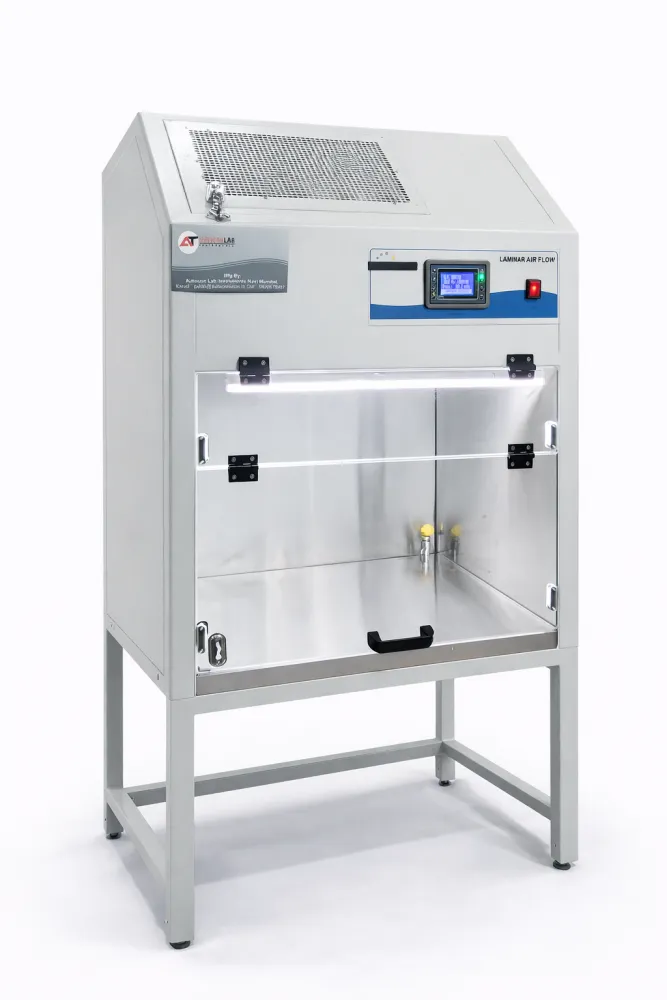
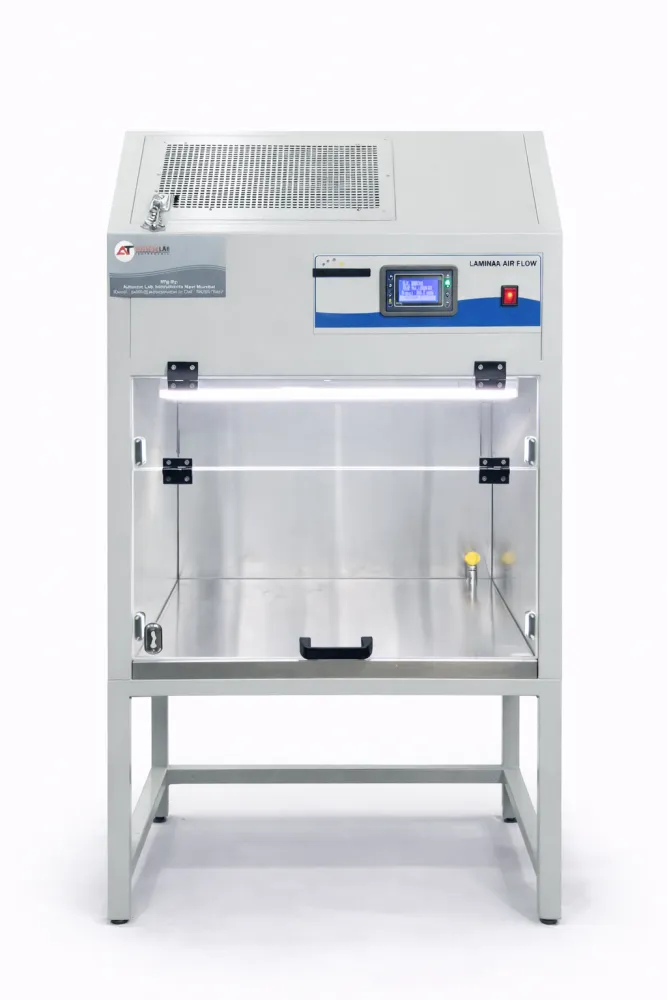
A fan pulls room air through a HEPA filter and pushes it across the work surface in a smooth, uniform stream. In a horizontal cabinet the air flows toward you across the work; in a vertical cabinet it flows down from above. Either way, the clean air sweeps particles away from the product.
Because clean air leaves the cabinet toward the operator, an LAF cabinet is suited to non-hazardous work: media preparation, plant tissue culture, electronics assembly, sterile pharmaceutical compounding of non-hazardous products and similar tasks.
How a biosafety cabinet works
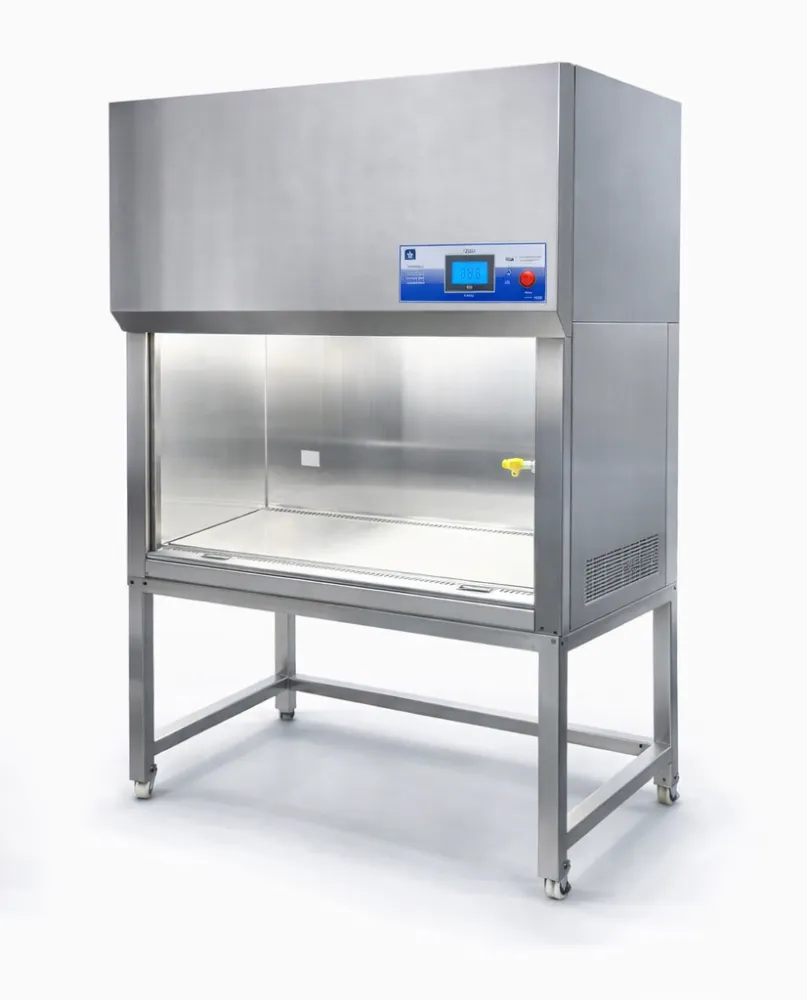
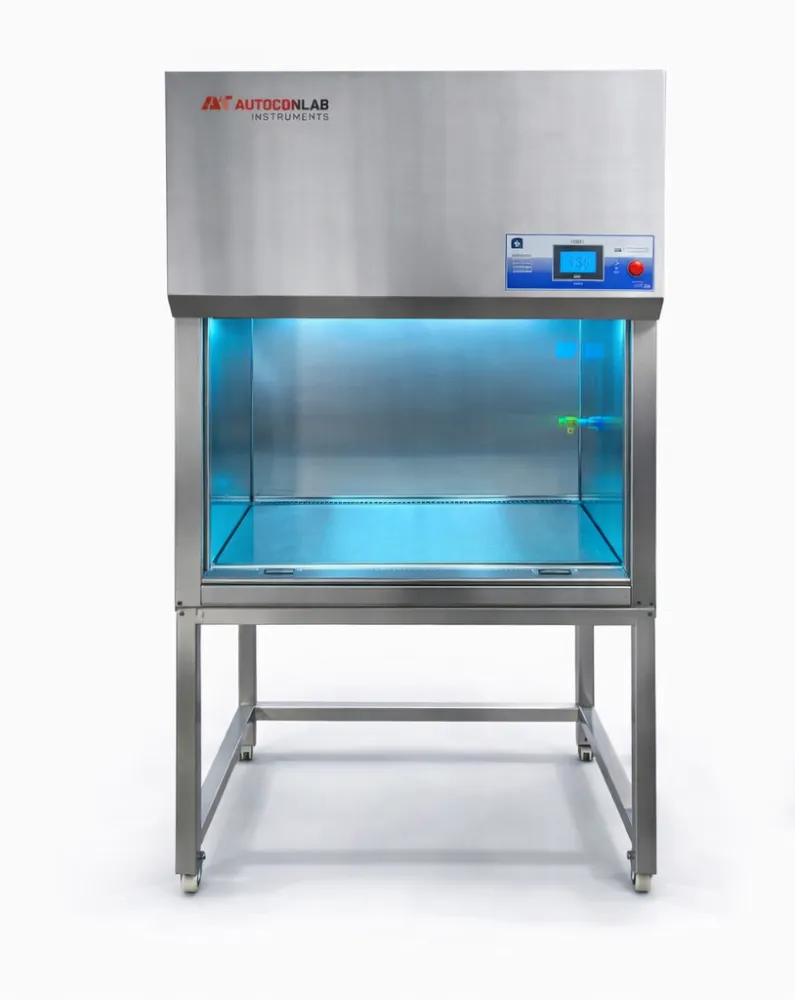
A BSC draws room air in through the front opening, which protects the operator. It passes a curtain of clean air down over the work, which protects the product, and it filters the exhaust air through HEPA, which protects the environment.
Biosafety cabinets are classified. Class II is the workhorse of microbiology and clinical laboratories, and it comes in types that differ in how much air is recirculated and where the exhaust goes. Class III is a fully enclosed glovebox for the highest-risk agents. Which class and type you need depends on the risk group of the organisms you handle and any chemicals used alongside them, so ask your biosafety officer to specify it.
Choosing between them
- Handling pathogens, clinical samples or infectious material: biosafety cabinet
- Working with cytotoxic or hazardous drugs: a cabinet designed for that purpose, not a standard LAF
- Product protection only, with harmless materials: LAF cabinet
- Both product protection and operator safety in a cell-culture lab: Class II biosafety cabinet
Keeping either one performing
Both depend on the HEPA filter and the airflow staying within specification. Have the filter integrity, airflow velocity and, for a BSC, the containment tested at installation, after moving the cabinet and at least annually. Keep the air intake clear, avoid heavy traffic and drafts in front of the cabinet, and clean it before and after use.