Why qualify equipment at all?
In a regulated laboratory or plant, it is not enough that a machine appears to work. You must be able to show, with records, that it was installed correctly, that it operates within its specified limits, and that it performs the way your process needs it to. Qualification is how you produce that evidence. It is also the first thing an auditor will ask to see.
DQ: Design qualification
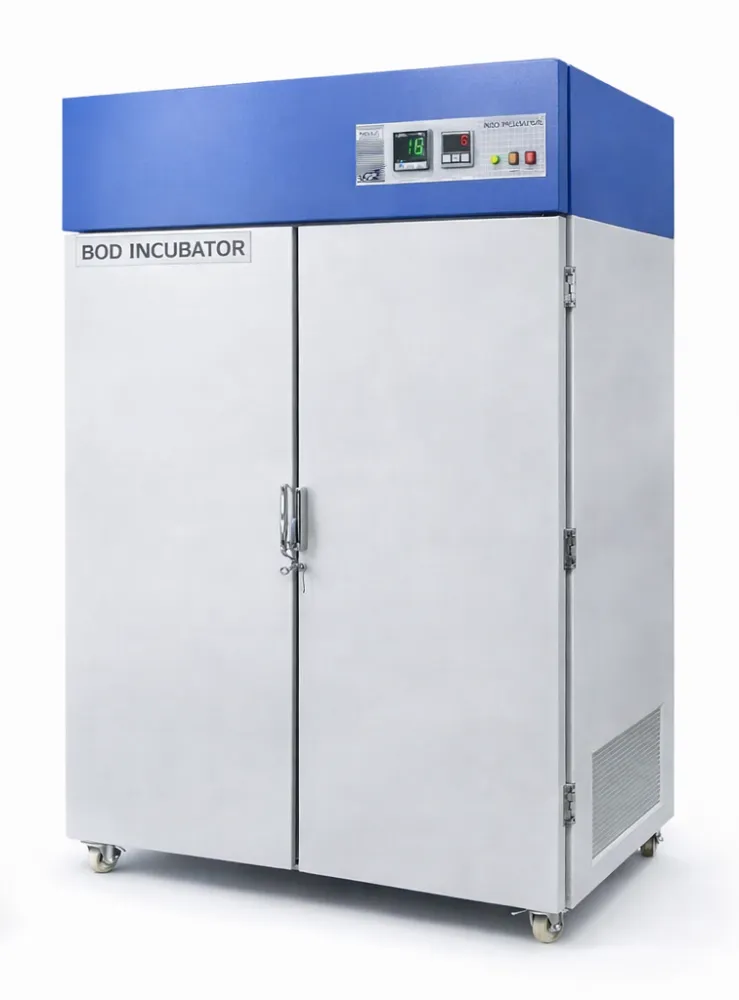
Design qualification comes before purchase. It documents what you need the equipment to do (your user requirements) and confirms that the design on offer meets them. For an incubator that might be the temperature range, uniformity, capacity, materials of construction and alarms. DQ is usually written by the user, with input from the supplier.
IQ: Installation qualification
IQ proves the equipment arrived complete and was installed correctly. It is a documented check against the specification and the purchase order.
- Model and serial numbers, and a check that what was delivered is what was ordered
- Installation location, clearances and utilities connected as specified
- Manuals, drawings and material certificates received
- Measuring instruments identified and their calibration certificates on file
OQ: Operational qualification
OQ tests the machine across its operating range, usually empty. It shows that controls, alarms and safety functions work and that the equipment holds its set points.
- Set-point accuracy and display against a calibrated reference
- Alarm and cut-out function: over-temperature, door, power failure
- Controller functions, cycle programs and user access
- Temperature mapping of the empty chamber, where relevant
PQ: Performance qualification
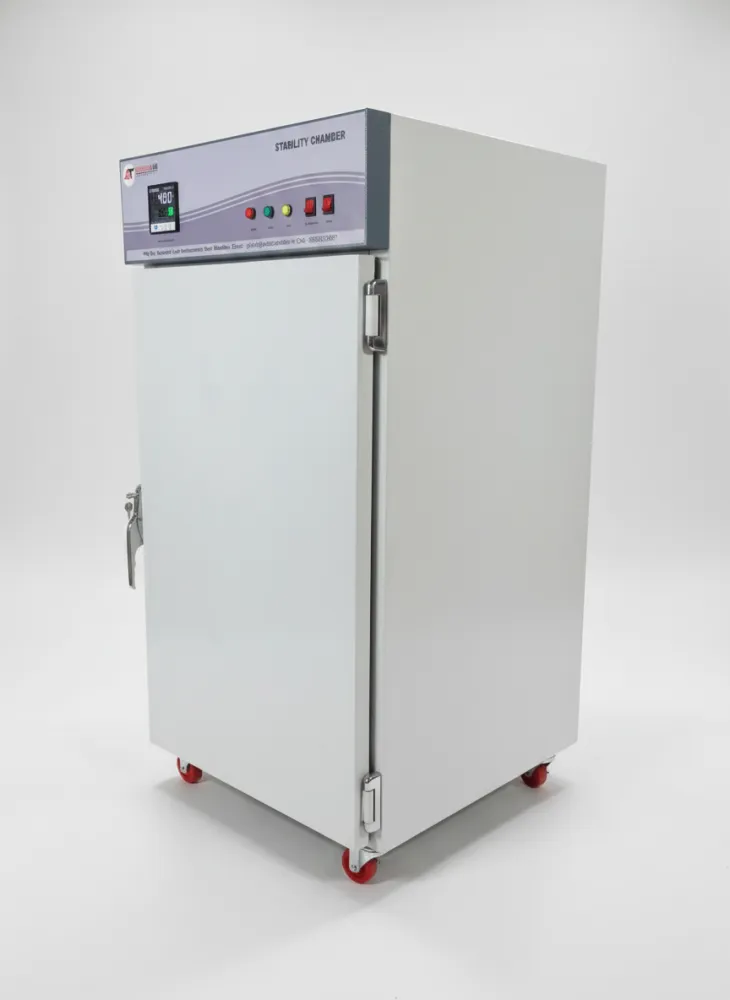
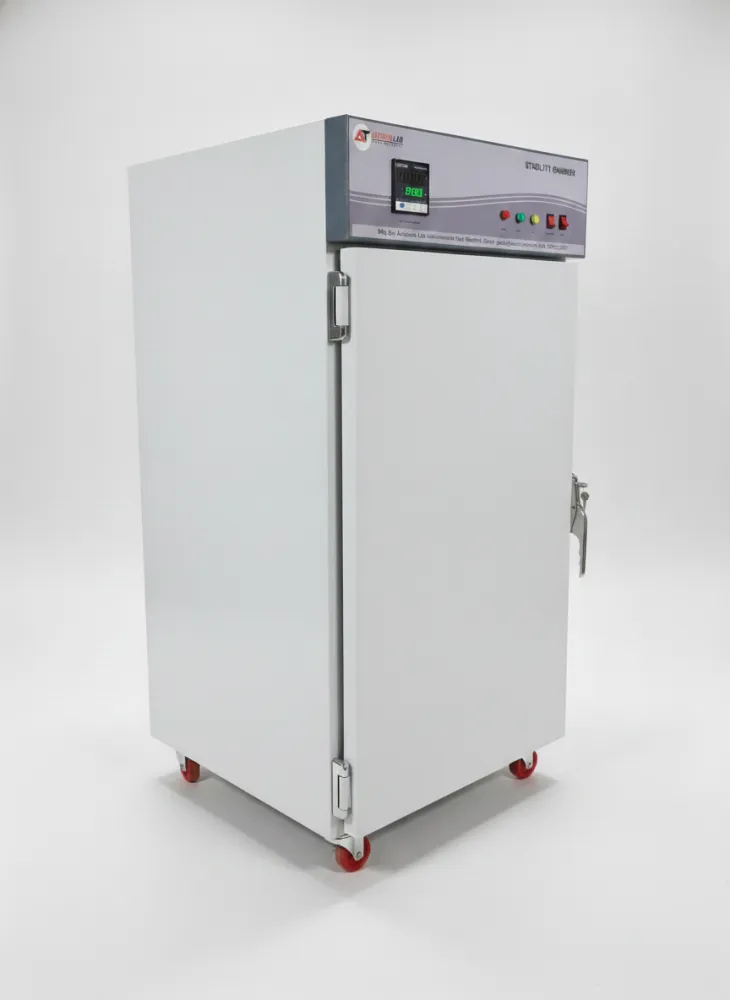
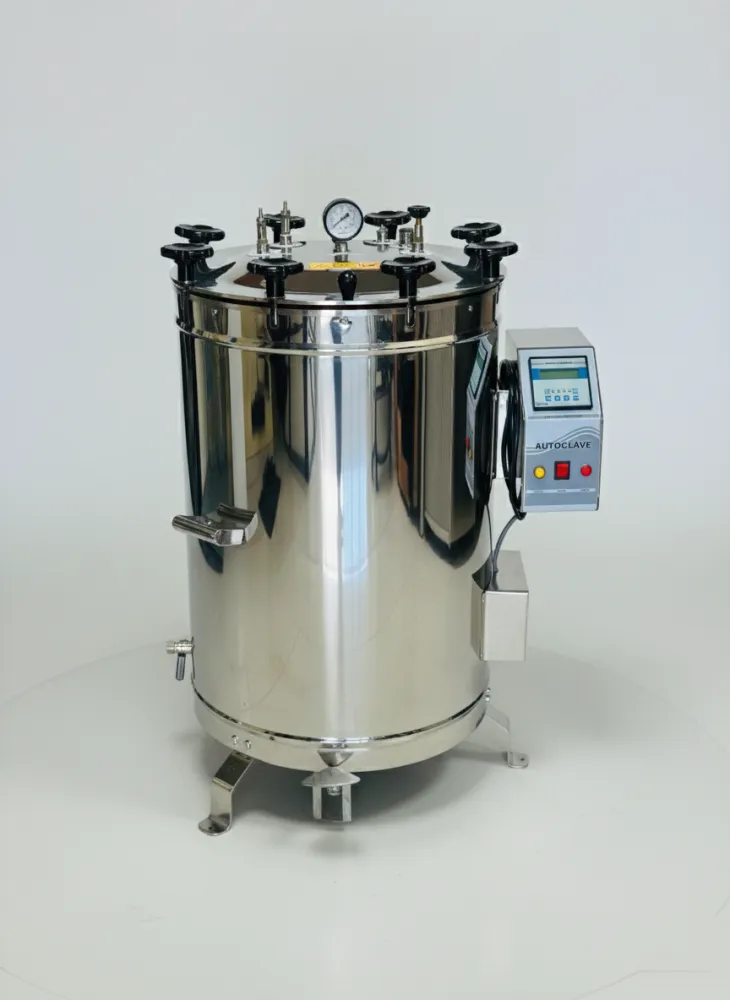
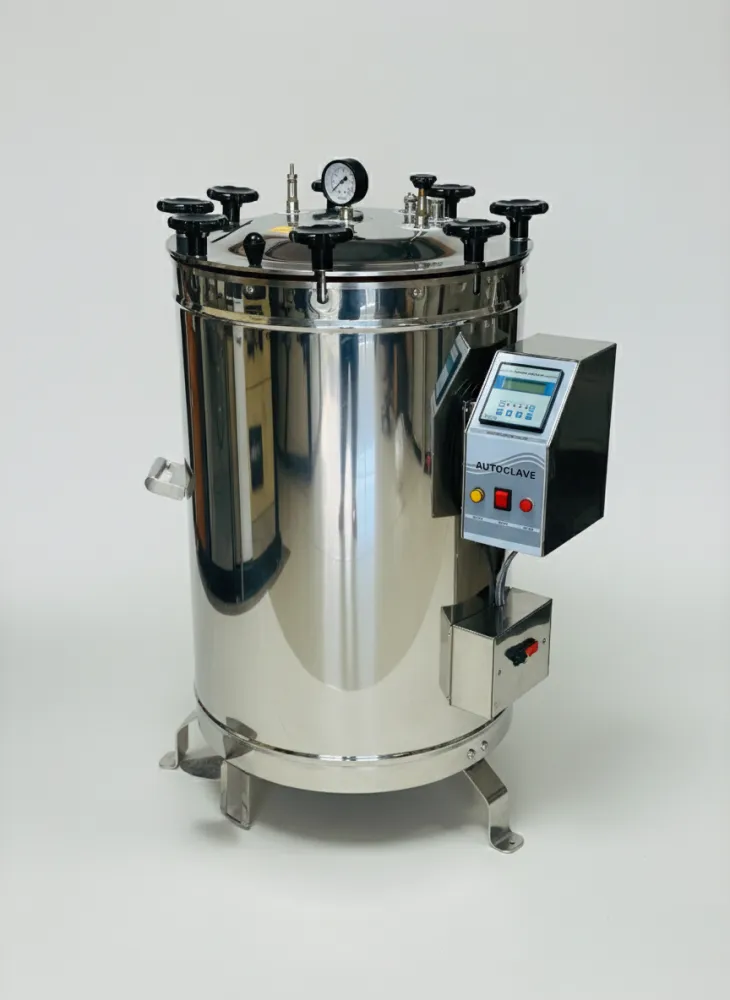
PQ shows the equipment does its actual job, with your actual load, under normal conditions. For an autoclave that means mapping a loaded chamber and using biological indicators to confirm sterilisation. For a stability chamber it means holding temperature and humidity over a defined period with the load in place. PQ is normally written and approved by the user because it is tied to your process.
What you should end up with
A validation package is a set of approved documents: the protocols (what will be tested and the acceptance criteria), the executed protocols with raw data, calibration certificates for the instruments used, a record of any deviations and how they were closed, and a summary report signed off by quality assurance. Ask your supplier what they provide and what remains the user's responsibility.
When to requalify
Qualification is not a one-off. Plan to requalify after relocating the equipment, after a major repair or a change of controller or sensor, and on a periodic schedule set in your quality system. Between requalifications, regular calibration and preventive maintenance keep the equipment in the qualified state. Many sites bundle these into an annual maintenance contract.